Benihana Gluten-Free Dining Tips (2026): Eat Safely at the Grill

Benihana Gluten-Free Dining Tips (2026): Eat Safely at the Grill
Gluten hides in soy sauce, fried rice and noodle dishes — but it does not have to ruin your Benihana visit. These practical tips help you order safely, brief your chef, and pick the safest dishes on the menu.
Eating Benihana gluten free is possible, but it takes more than scanning the menu for a gluten-free label. Benihana cooks on shared teppanyaki grills, seasons dishes with soy-based sauces, and serves fried rice and noodles that are normally made with wheat. None of that means you have to skip the experience — it just means you need a plan before the chef starts cooking.
This guide is deliberately practical. It is different from our gluten-sensitive menu page, which lists the menu categories. Here you will learn which swaps actually work, which sauces to question, how to brief your chef in thirty seconds, and which dishes are the safest bets. One important promise up front: we will not claim any Benihana dish is certified gluten-free, because Benihana does not make that claim. Everything here is about reducing risk and asking the right questions at your specific location, since menus and preparation vary.
Benihana Gluten Free: What You Need to Know First
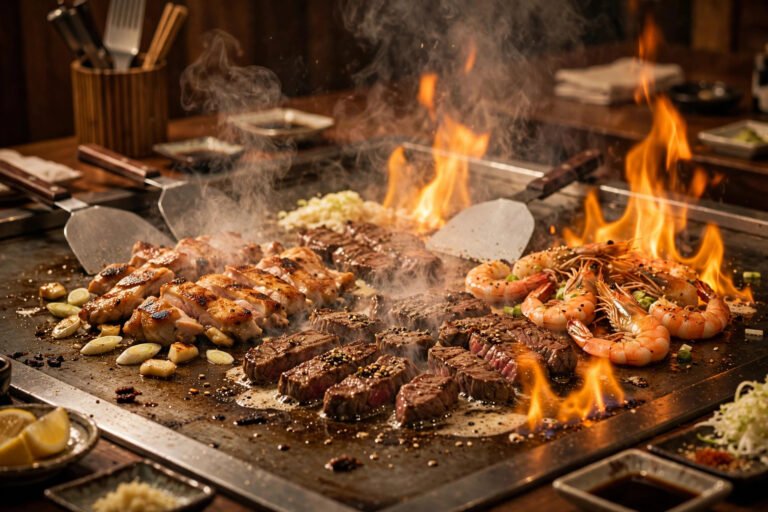
Start with the basics. Gluten is a protein found in wheat, barley and rye. At a Japanese steakhouse, the biggest gluten sources are not bread — they are soy sauce (which is traditionally brewed with wheat), fried rice seasoning, noodle dishes, tempura batter, and some dipping sauces and marinades. Plain grilled meat, seafood and vegetables are naturally gluten-free, which is why hibachi can work well if you control the sauces and sides.
The second thing to understand is the shared grill. Your food may be cooked on the same surface as soy-sauce-seasoned dishes, using the same oil and spatulas. For people avoiding gluten as a preference, that is usually fine. For coeliacs or anyone with a serious gluten intolerance, cross-contact is a real consideration, and you should raise it when you book and again when you order. Our reservations guide explains how to flag dietary needs in advance.
Tamari vs Soy Sauce: The Key Swap
If you remember one thing from this guide, make it this: regular soy sauce almost always contains wheat. It is brewed from soybeans and roasted wheat, so it is not gluten-free despite looking harmless. At Benihana, soy sauce shows up in marinades, fried rice seasoning, dipping sauces and sushi accompaniments — which is why so many otherwise safe dishes become risky.
Tamari is the classic swap. Tamari is a Japanese soy sauce that is traditionally brewed with little or no wheat, and most tamari sold today is labelled gluten-free. If your Benihana location stocks tamari, asking the chef to season your food with tamari instead of regular soy sauce removes the biggest single source of gluten from your meal. Ask early, when you order, so the chef can set it aside before cooking starts.
Three cautions. First, not every location carries tamari, so do not assume it is available — call ahead or ask on arrival. Second, confirm the tamari itself is labelled gluten-free, since a small number of tamari-style sauces still contain wheat. Third, if tamari is not available, ask whether your dish can be seasoned with salt, citrus and plain oil instead. A simple grilled dish with lemon and salt can be excellent, and it sidesteps the sauce problem entirely.
Sauces to Avoid — and Safer Bets
Benihana’s sauces are the best part of the meal and the biggest source of hidden gluten. Use this table as your cheat sheet, but always confirm with your location because recipes change.
| Sauce | Typical gluten risk | What to do |
|---|---|---|
| Soy sauce | High — traditionally brewed with wheat | Swap for tamari if available |
| Ginger sauce / dressing | Low to medium — check for soy sauce base | Ask; often fine if soy-free |
| Mustard sauce | Medium — check thickeners and soy content | Ask your server before dipping |
| Yum Yum sauce | Low to medium — usually mayo-based | Ask; recipes vary by location |
| Ponzu sauce | High — soy sauce is a core ingredient | Avoid unless made with tamari |
| Teriyaki-style glazes | High — soy-based and often thickened | Avoid unless confirmed safe |
Ginger sauce is often your best friend here. Many ginger dressings are built on oil, vinegar and ginger, and if your location’s version is soy-free, it is a safe and flavourful choice. Ponzu and teriyaki-style glazes are the opposite: soy is a core ingredient, so treat them as off-limits unless the kitchen confirms a tamari-based version. For the full rundown, see our sauces and dressings guide.
Fried Rice and Noodle Cautions
Fried rice is the dish most gluten-free diners get wrong. Hibachi fried rice is seasoned on the grill, and that seasoning is usually soy-based. Even if the rice itself is naturally gluten-free, the sauce it is cooked in is not. If you want fried rice, ask for it to be cooked separately with tamari or with no soy seasoning at all — and remind the chef when the rice course begins, because a busy grill moves fast.
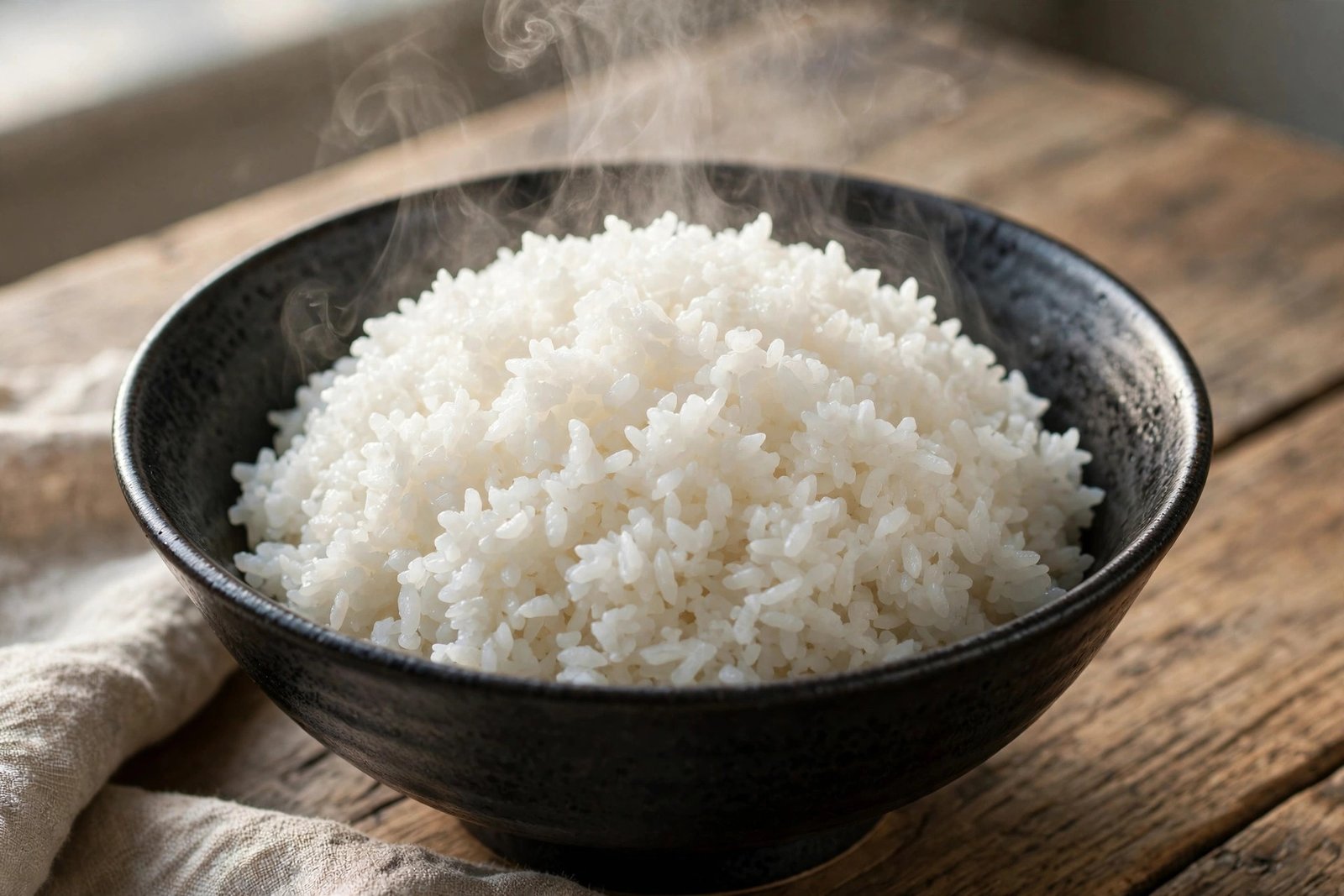
A simpler and safer choice is steamed rice. Plain steamed rice has no seasoning, no sauce and no grill contact with soy-based dishes if it is cooked in the kitchen rather than on the teppan. Ordering steamed rice instead of fried rice removes an entire category of risk in one move. It is less theatrical, but it is the most reliable side on the menu.
Noodles need even more care. Udon noodles are wheat noodles, full stop. Yaki soba noodles are also wheat-based despite the name — soba can mean buckwheat in some contexts, but the stir-fried yaki soba served at Japanese steakhouses is typically a wheat noodle. Tempura dishes are coated in wheat batter. If you avoid gluten, skip the noodle and tempura sections and build your meal around grilled items, rice and salads instead. The noodles menu and fried rice menu list what is currently served, but the preparation questions in this guide still apply.
How to Brief Your Chef
You do not need a long speech. A short, friendly briefing when you sit down works better than a complicated explanation mid-show. Say something like this:
“Hi, I eat gluten-free. Could you please cook my food with tamari instead of soy sauce, or with just salt and oil? And could you use a clean section of the grill and fresh oil for my portion? I will have steamed rice instead of fried rice.”
That covers the sauce swap, the grill, the oil and the side dish in four sentences. If you have coeliac disease, add one more: “I have coeliac disease, so even a small amount of gluten is a problem — could you please use clean utensils for my food?” Chefs hear these requests regularly, and being clear and polite at the start gets you the best result.
One more practical tip: brief your server first, then repeat the short version to the chef. At a communal grill, the chef is the person actually cooking your food, and a direct reminder is worth more than a note on the order ticket.
Questions to Ask Before You Order
Keep this list on your phone. Each question closes one specific gap:
- “Do you have tamari, and is it labelled gluten-free?”
- “What is the fried rice seasoned with, and can mine be made with tamari or no soy sauce?”
- “Are the dipping sauces made with soy sauce, and which ones are safe for me?”
- “Can my food be cooked on a clean section of the grill with fresh oil?”
- “Are the noodles wheat-based, and is there a rice alternative?”
- “Does the salad dressing contain soy sauce or wheat?”
- “Is the soup broth made with soy sauce?”
- “Can I have steamed rice instead of fried rice?”
Asking these before the show starts gives the kitchen time to adapt. Asking halfway through, when your food is already on the grill, is much harder to fix. If you are also watching calories, our nutrition facts guide has the verified figures we could confirm from Benihana’s own nutrition documents.
Safest Dish Picks
When you put it all together, the safest Benihana meal for a gluten-free diner looks something like this. “Still confirm” means the dish is naturally low-risk but preparation varies by location.
| Dish | Why it is safer | Still confirm |
|---|---|---|
| Plain hibachi chicken, steak or shrimp | Grilled protein, naturally gluten-free | Seasoning and marinade |
| Vegetable hibachi | Grilled vegetables, no batter or noodles | Oil, butter and seasoning |
| Steamed rice | No seasoning, kitchen-cooked | Nothing — the safest side |
| Edamame | Steamed soybeans with salt only | Any added seasoning |
| Benihana salad with ginger dressing | Fresh vegetables, usually safe dressing | Dressing ingredients |
| Seaweed salad | Seaweed and sesame, no wheat base | Dressing ingredients |
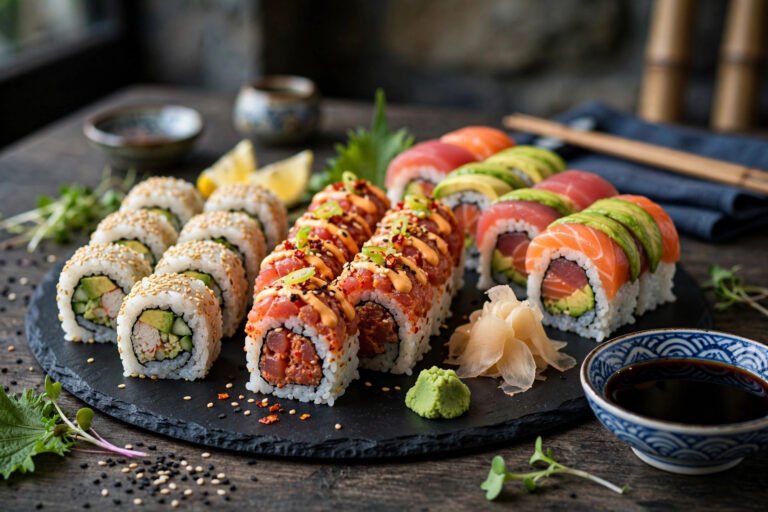
| Simple sashimi (no soy sauce) | Raw fish, no batter or sauce | Use tamari, not soy sauce |
For a full main course, hibachi chicken or steak with steamed rice and a salad is a reliable combination — and a standard hibachi chicken rice dish is around 440 calories, so swapping fried rice for steamed rice keeps the meal lighter as well. Browse the hibachi menu and the sushi and sashimi menu to plan your order before you arrive.
Planning Your Visit
A little planning removes most of the stress. First, check your local Benihana before you go — menus, prices and preparation vary by location, and prices vary by location too, so use our prices guide as a range rather than a promise. Second, mention gluten-free dining when you book, especially for a group at a shared grill table.
Third, consider timing. Lunch service is often quieter than dinner, which means the chef has more time to handle a special request carefully. If you are booking for a celebration, a quieter sitting is a genuine advantage. Finally, bring a backup plan: if tamari is unavailable and the sauces are all soy-based, a plain grilled dish with steamed rice and salad is still a great meal. Knowing your fallback before you sit down means you never have to make a stressed decision at the table.
Gluten-free dining at Benihana is not about finding a certified menu — it is about knowing the swaps, asking the right questions, and choosing dishes that are naturally safe. Do that, and the grill show is just as fun as it is for everyone else at the table.