Benihana Vegetarian & Vegan Guide (2026): What You Can Actually Eat

Benihana Vegetarian & Vegan Guide (2026): What You Can Actually Eat
Benihana is famous for flying shrimp and sizzling steak — but plant-based diners are not stuck with a side salad. Here is what you can really order, what to ask the chef, and where the hidden traps are.
Planning a Benihana vegetarian meal takes a little more thought than a standard visit, because Benihana is built around the shared teppanyaki grill. Meat, seafood, eggs and vegetables are often cooked on the same flat iron surface, and several classic sauces and soups contain animal-derived ingredients. The good news is that a satisfying meat-free meal is absolutely possible: vegetable hibachi, tofu dishes, edamame, salads and noodle dishes are all on the table, and chefs are used to handling special requests at the grill.
The key is knowing what to order and what to ask before the cooking show starts. Menus vary by location, and Benihana does not publish one fixed national menu, so treat everything here as a guide and always confirm with your local restaurant. Prices below are typical ranges and prices vary by location. This guide covers vegetarians first and flags the stricter vegan issues separately, so you can order with confidence either way.
Can You Eat Vegetarian at Benihana? The Short Answer
Yes. A vegetarian can eat well at Benihana, especially if you are flexible about eggs and dairy. The core meat-free lineup includes vegetable hibachi, agedashi tofu, edamame, seaweed salad, garden salads with ginger dressing, vegetable fried rice (ordered without egg), and vegetable yaki soba. Together, these can make a full multi-course meal that still includes the hibachi show.
Vegans have a narrower path but it still exists. Your safest bets are vegetable hibachi cooked without butter, steamed rice, edamame, seaweed salad, and vegetable yaki soba made without egg noodles or egg-based sauces. You will need to ask about butter, egg, dashi (fish stock) in soups, and the ingredients in each sauce, because those are the places animal products hide. Nothing on the regular menu is labelled vegan, so a short conversation with your chef is part of the meal.
The Best Benihana Vegetarian Dishes at a Glance
Use this table to build your order. “Ask” means the dish is usually fine but depends on how your location prepares it — confirm before ordering.
| Dish | What is in it | Vegetarian? | Vegan? | Typical price range |
|---|---|---|---|---|
| Vegetable Hibachi | Grilled mixed vegetables, hibachi noodles or rice, dipping sauces | Yes | Ask (butter) | $15 – $25 |
| Agedashi Tofu | Lightly fried tofu in a savoury broth with garnish | Ask (broth) | Ask (broth) | $8 – $14 |
| Edamame | Steamed soybeans with sea salt | Yes | Yes | $5 – $9 |
| Seaweed Salad | Seasoned seaweed, sesame, light dressing | Yes | Usually | $5 – $9 |
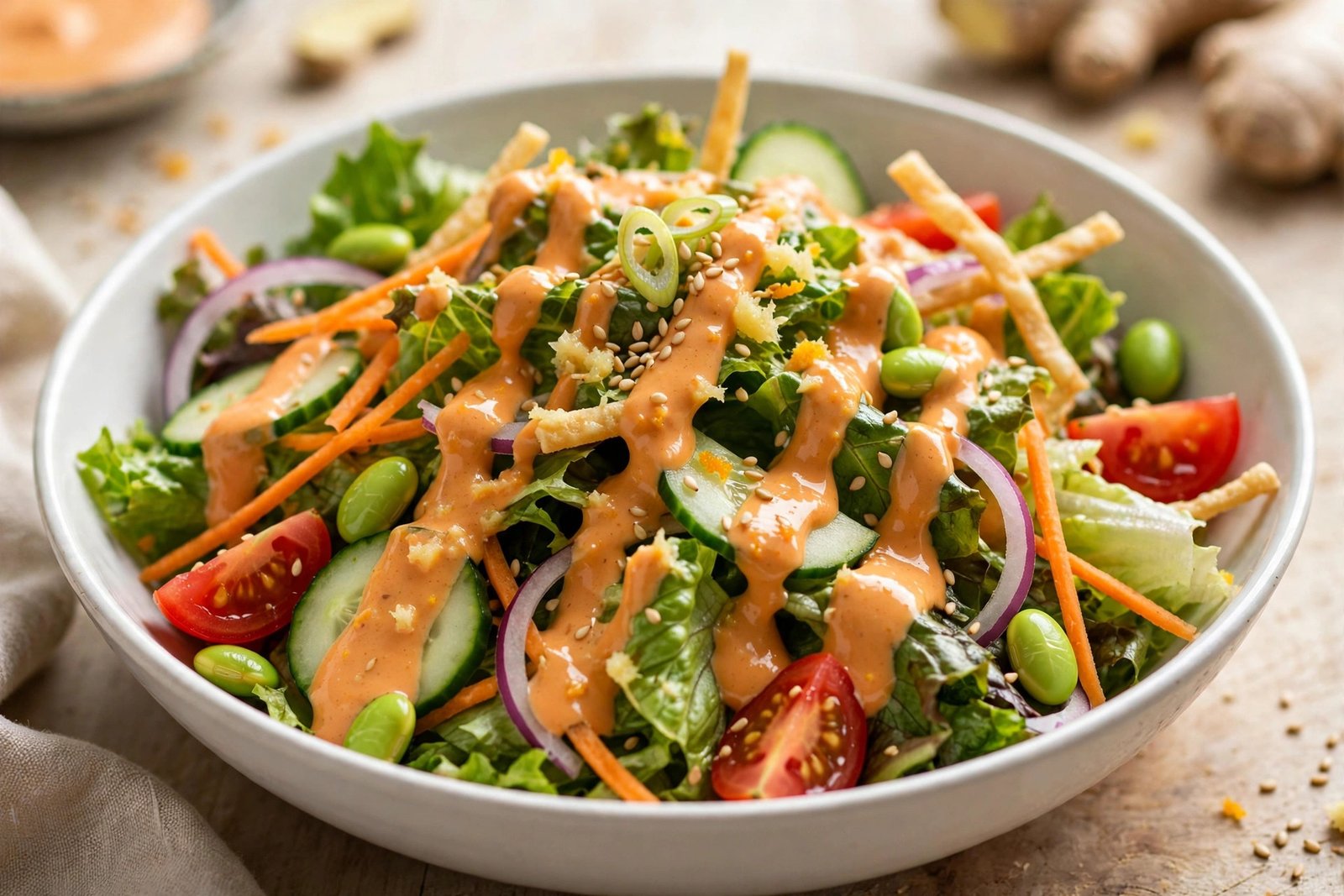
| Benihana Salad | Mixed greens with ginger dressing | Yes | Ask (dressing) | $5 – $10 |
| Vegetable Fried Rice (no egg) | Rice, mixed vegetables, soy-based seasoning, no egg on request | Yes | Ask (butter, sauce) | $9 – $15 |
| Vegetable Yaki Soba | Stir-fried noodles with mixed vegetables | Yes | Ask (noodles, sauce) | $12 – $18 |
| Japanese Onion Soup | Clear broth, mushrooms, scallions | Ask (dashi) | Ask (dashi) | $4 – $7 |
Prices are typical ranges only and prices vary by location. For the latest figures, see our Benihana prices guide and the hibachi menu.
Vegetable Hibachi: Your Main Event
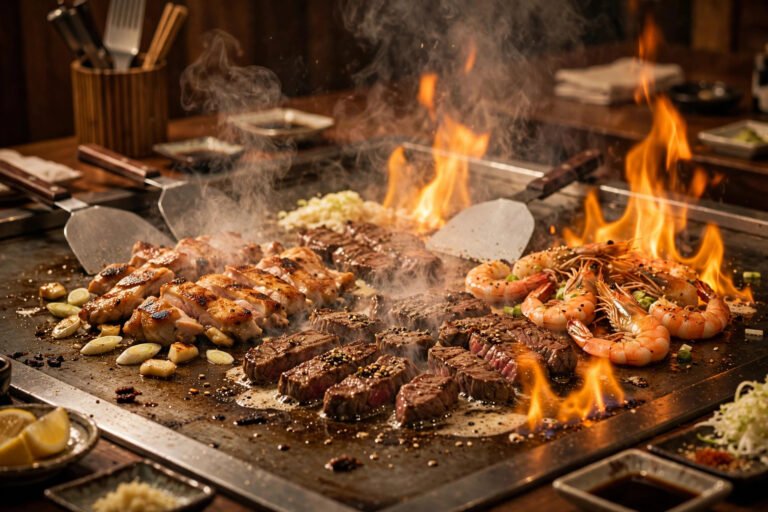
Vegetable hibachi is the centrepiece of a Benihana vegetarian meal, and it is the closest thing to the full experience. Your chef grills a generous mix of vegetables — typically zucchini, mushrooms, onions, broccoli and carrots — right in front of you, with the same onion volcano and spatula tricks as the meat dishes. It usually comes with hibachi fried rice or steamed rice and the house dipping sauces.
Two requests make a real difference. First, ask for your vegetables to be cooked in oil rather than butter if you are vegan or avoiding dairy. Second, ask the chef to cook your portion on a clean section of the grill, or before the meat dishes if the table timing allows it. Chefs handle this kind of request regularly, but asking early — when you order, not mid-show — gives them time to plan the grill.
If you are dining with meat-eaters, you do not have to sit out the show. Shared teppanyaki tables are the norm at Benihana, and your vegetable hibachi is cooked as part of the same performance. Just make sure your portion is kept separate from the meat dishes on the grill and on the serving plates.
Tofu Options: Agedashi Tofu and Beyond
Agedashi tofu is the most useful vegetarian starter on the Benihana menu. It is lightly fried tofu served in a warm, savoury broth, usually garnished with scallions and grated ginger. It is filling enough to anchor a lighter meal and works well alongside edamame and a salad.
The one thing to check is the broth. Traditional agedashi broth is dashi-based, and dashi is usually made with bonito (fish) flakes. Some locations use a vegetarian-style broth, and some do not — so ask your server directly: “Is the agedashi broth made with fish stock?” If the answer is yes and you avoid fish, skip it and lean on the other starters instead.
Tofu does not always appear as a hibachi main course at every location. If your local Benihana does not list a tofu hibachi entree, ask whether the chef can grill tofu with the vegetable hibachi. Many chefs will happily add it, especially if you ask when booking or when ordering. It never hurts to ask — the worst answer is a polite no.
Fried Rice Without Egg: How to Order It
Hibachi fried rice is normally made with egg, which is a problem for vegans and for vegetarians who avoid egg. The fix is simple: order it explicitly as “vegetable fried rice, no egg”. Because fried rice is cooked to order on the grill, the chef can usually leave the egg out of your portion without any fuss.
Be specific about the rest of the recipe too. Ask for oil instead of butter, and ask whether the seasoning sauce used on the rice contains any animal-derived ingredients. Most locations use a soy-based seasoning, but confirming takes ten seconds and avoids a ruined dish. If you are ordering from the fried rice menu as a side rather than a main, the same request applies.
One practical tip: order the egg-free version at the same time as the rest of your food, and remind the chef when the rice course begins. At a busy communal grill, a reminder is not rude — it is how your request survives the pace of the show. A standard hibachi chicken rice is around 440 calories, so a vegetable version without egg is a lighter choice too, though exact calories depend on the oil and portion at your location.
Vegetable Yaki Soba and Noodle Options
Vegetable yaki soba is another strong main course: stir-fried noodles with mixed vegetables in a savoury sauce. It is a good pick if you want something more substantial than a salad but lighter than a full hibachi spread, and it pairs well with edamame or seaweed salad as a starter.
Ask two questions before ordering. First, are the noodles egg noodles? Most yaki soba noodles are wheat-based, but some preparations include egg — vegans should confirm. Second, what is in the stir-fry sauce? Sauces can contain oyster sauce or fish-derived flavourings, so a quick check with the server keeps the dish safely plant-based. The noodles menu lists the current noodle dishes at most locations.
Tempura udon is a harder sell for strict vegetarians, because udon broth is very often dashi-based. If you love noodle soup, ask about the broth first, and if it is fish-based, stick with yaki soba instead.
Sauces to Check: Ginger, Mustard, Yum Yum and Ponzu
Benihana’s sauces make the meal, but they are also where plant-based diners get caught out. Here is how the main ones usually break down — with the important caveat that recipes vary by location, so always confirm.
- Ginger sauce and ginger dressing: Usually the safest bet. Ginger dressing is typically oil, vinegar, ginger and soy-based seasonings, and is often plant-based. Still ask, because some dressings include dairy or egg.
- Mustard sauce: Ask carefully. Mustard-based dipping sauces at Japanese steakhouses are often mayonnaise-based, which means egg. If you avoid egg, treat mustard sauce as a no unless your server confirms otherwise.
- Yum Yum sauce: Generally not vegan. The classic pinkish-white yum yum sauce is mayonnaise-based, so it contains egg. Vegetarians who eat egg can usually enjoy it; vegans should skip it. Our copycat yum yum sauce recipe shows how the style is typically made.
- Ponzu sauce: Usually not vegan. Ponzu is citrus and soy-based but traditionally includes dashi, which is fish-derived. Ask if you avoid fish.
When in doubt, ginger sauce is your default, and plain soy sauce or tamari (if available) is a safe fallback. You can also read the full sauces and dressings guide before your visit so you know which names to ask about.
Cross-Contact on a Shared Grill: The Honest Reality
This is the part many guides gloss over, so let us be straight. Benihana cooks on shared teppanyaki grills with shared tools. Your vegetables may be cooked on the same surface as someone else’s steak or shrimp, in the same oil, with the same spatulas, unless you ask otherwise. For most vegetarians this is acceptable. For strict vegans, or anyone with a serious allergy, it matters a lot.
What actually helps is asking for three things: a cleaned section of the grill, fresh oil, and your portion cooked before the meat dishes if possible. Chefs are used to these requests, and asking politely at the start of the meal works far better than raising it halfway through the show. If you have a severe allergy rather than a dietary preference, tell the restaurant when you book — see our reservations guide — so the team can plan properly.
Also be realistic about the setting. Benihana is a communal, theatrical dining experience, and even with the best intentions, trace contact is possible. If absolute separation matters to you, a sushi-bar seat or a takeaway order may suit you better than a shared grill table. That is a personal call, and there is no wrong answer — just go in with your eyes open.
Questions to Ask Your Chef
Copy these into your phone before you go. They cover every trap in this guide in under a minute of conversation:
- “Can my vegetables be cooked in oil instead of butter?”
- “Can you cook my portion on a clean section of the grill, before the meat dishes?”
- “Is the fried rice made with egg, and can you make mine without egg?”
- “Is the agedashi tofu broth made with fish stock (dashi)?”
- “Does the ginger dressing contain dairy or egg?”
- “Is the mustard sauce mayonnaise-based?”
- “Do the yaki soba noodles contain egg, and is the sauce fish-free?”
- “Can I get steamed rice instead of fried rice?”
Pair this list with a quick look at the gluten-sensitive menu if anyone in your party also avoids gluten, and check nutrition facts for calorie context. A little preparation turns a potentially awkward meal into a genuinely fun one.