Benihana Lunch vs Dinner (2026): Menu, Prices & Experience Differences

Benihana Lunch vs Dinner (2026): Menu, Prices & Experience Differences
Lunch is quicker and cheaper; dinner is the full show. Here is how the two services really compare — and which one is right for your visit.
If you are planning a visit, the benihana lunch vs dinner question comes up fast: is dinner really worth the higher price, or is lunch the smarter move? Both meals are cooked on the same famous teppan grill, by the same chefs, in the same dining room — but they are not the same experience. Lunch is quicker, simpler and easier on the wallet. Dinner is the full show, with the complete menu and the celebratory atmosphere Benihana is known for.
This guide compares the two services side by side: what is on each menu, what each typically costs, how portions and wait times differ, and where happy hour fits in. Prices below are typical ranges only — Benihana does not publish national prices, and prices vary by location, so always check your local restaurant before you go.
By the end, you will know exactly which service fits your budget, your schedule and your occasion — and when the best-value move is actually neither lunch nor dinner, but the window in between.
Benihana Lunch vs Dinner at a Glance
The quickest way to see the difference is the table below. Lunch trims the menu and the schedule; dinner expands both. Neither is a lesser version of the other — they are built for different kinds of visits.
| Lunch | Dinner | |
|---|---|---|
| Menu size | Streamlined — popular hibachi and sushi favorites | Full menu, including premium items and large combinations |
| Typical hibachi entrée range | Lower, roughly $15–$30 | Higher, roughly $25–$50+ |
| Atmosphere | Brighter, quicker, more casual | Livelier, more celebratory, full show energy |
| Wait time | Usually shorter, walk-ins more feasible | Longer at peak times, especially weekends |
| Best for | Families, quick outings, value seekers | Birthdays, dates, first-time visitors |
| Chef show | Yes, but often a little more relaxed | Yes, the full performance |
How the Lunch Menu Differs
The lunch menu is best understood as a greatest-hits version of the dinner menu. At most locations that serve lunch, you will find the core hibachi proteins — chicken, steak and shrimp — plus popular combinations and a solid slice of the sushi menu. What you will usually not find at lunch is the deepest end of the dinner menu: the biggest combination platters, the most premium cuts and the fullest sushi and sashimi selection.
That narrower focus is a feature, not a flaw. Fewer choices mean faster ordering, faster cooking and a meal that fits into a lunch break. If you are deciding between the two services and you mostly want the classic hibachi chicken or shrimp experience, lunch gives you exactly that without the dinner price tag.
Some locations also run lunch-only specials or weekday lunch pricing. These change often and are not published nationally, so they are worth asking about when you call ahead — and they are one reason the Benihana lunch menu is worth checking before you go.
Dinner: The Full Menu and the Full Show
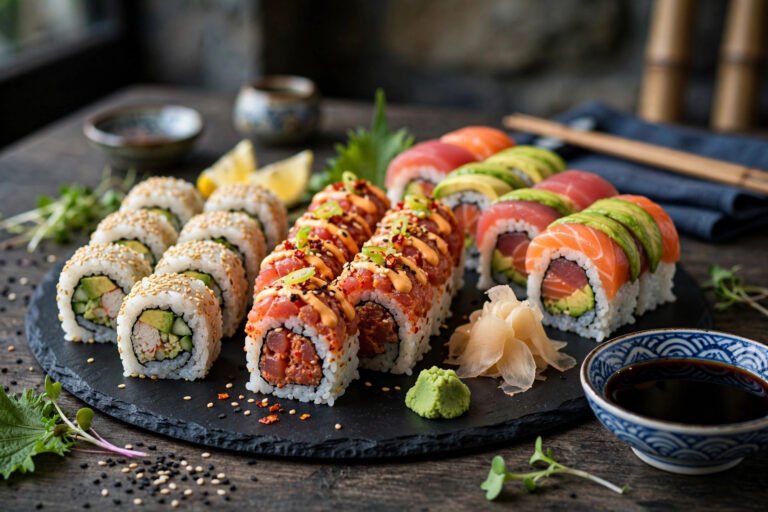
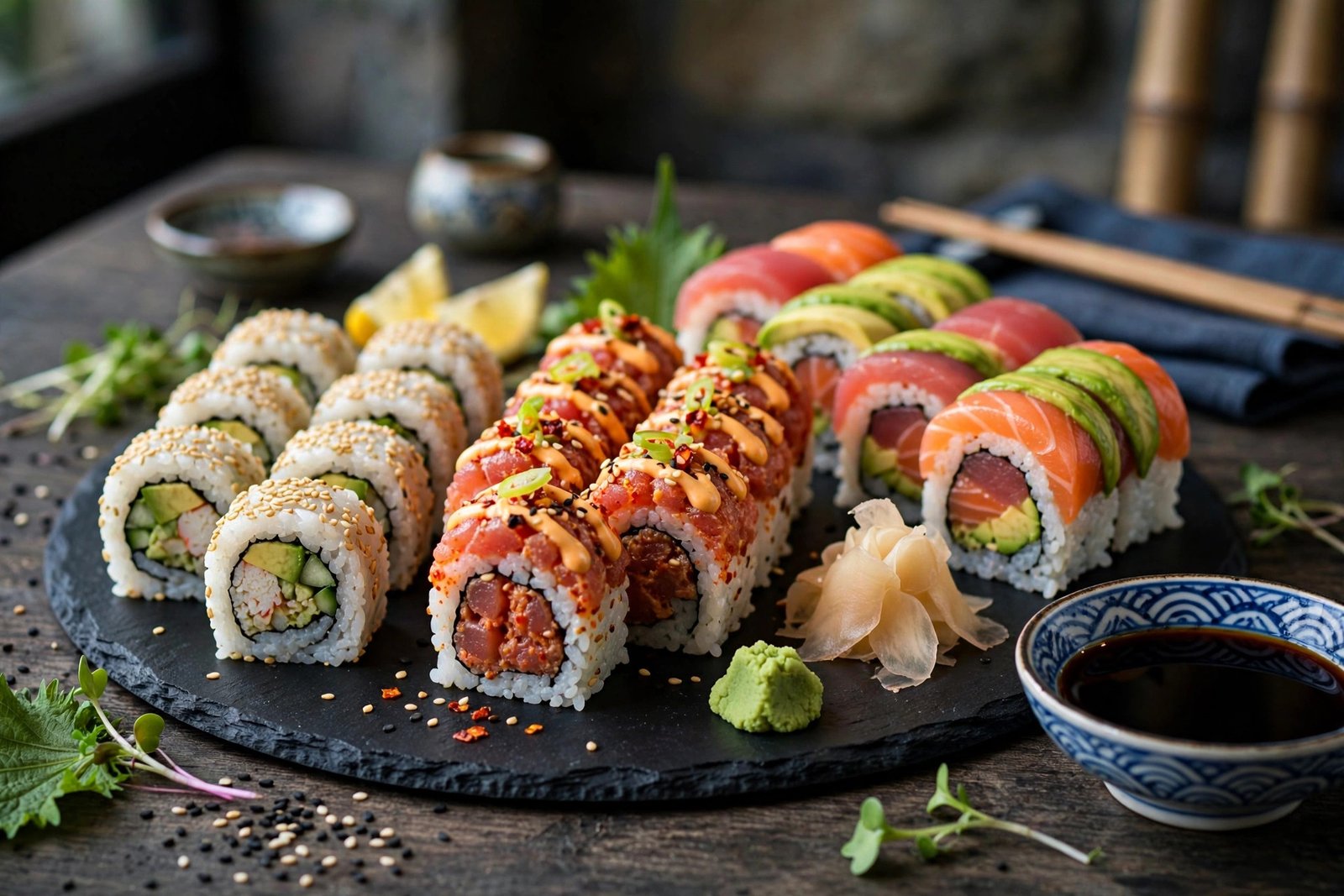
Dinner is Benihana at full strength. The complete hibachi menu is available, including filet mignon, lobster, scallops and the big combination dinners such as the Trio and steak-and-shrimp pairings. The sushi and sashimi menu is also at its widest, with specialty rolls and combination platters that may not appear at lunch.
The bar and dessert menus matter more at dinner too. Cocktails like the Mai Tai and sake sangrias, plus desserts such as tempura cheesecake and green tea ice cream, are a bigger part of the evening. If you are planning a celebration, dinner is where the whole occasion comes together — the food, the drinks and the show in one sitting.
None of this means lunch is a cut-down imitation. It means dinner is the version for people who want everything, while lunch is the version for people who want the essentials, done well and served fast.
Price Comparison: Typical Lunch vs Dinner Ranges
Benihana does not publish a national price list, so every number here is a typical range gathered from location menus, not an official quote. Use them to compare lunch and dinner, not to budget to the dollar.
| Hibachi entrée | Typical lunch range | Typical dinner range |
|---|---|---|
| Hibachi chicken | $15–$22 | $25–$35 |
| Hibachi steak | $20–$28 | $32–$45 |
| Hibachi shrimp | $18–$26 | $30–$42 |
| Steak and chicken combination | $22–$30 | $38–$50 |
| Filet mignon / lobster | Often unavailable at lunch | $45–$60+ |
| Sushi rolls (per roll) | $8–$14 | $9–$16 |
The pattern is consistent: lunch runs roughly 25–40% below dinner for comparable entrées, while sushi prices barely move between services. That is why the biggest savings come from ordering hibachi at lunch, not from ordering sushi. For a full breakdown of what each dish typically costs, see our Benihana prices guide.
Portions: Do You Get Less at Lunch?
This is the question most people really mean when they ask about lunch vs dinner: am I getting a smaller meal for the smaller price? In practice, the main protein portion at lunch is broadly similar to dinner for the same dish — a hibachi chicken lunch is still a full plate of chicken, vegetables and fried rice.
Where lunch can feel lighter is in the extras. Dinner orders more often include appetizers, extra courses, premium add-ons and dessert, because the evening is built around lingering. Lunch is built around getting in and out. So the difference guests notice is usually about the whole meal, not the main plate.
If you are a big eater, lunch can still leave you full — especially with fried rice, vegetables and soup included in the standard hibachi service. If you want the works (appetizers, a combination entrée, dessert and drinks), that is a dinner-shaped meal regardless of the time of day. Either way, check the Benihana nutrition guide if calories matter to your choice: hibachi chicken rice is around 440 calories, while richer fried rice dishes run higher.
Atmosphere: Lunch Buzz vs Dinner Celebration
Walk into Benihana at noon and at 7pm and you are in two different rooms, even though nothing about the decor has changed. Lunch is brighter and busier in a practical way: families with kids, coworkers on a break, smaller groups that want the grill experience without the evening commitment. Conversation is easier, the pace is quicker, and the room turns over faster.
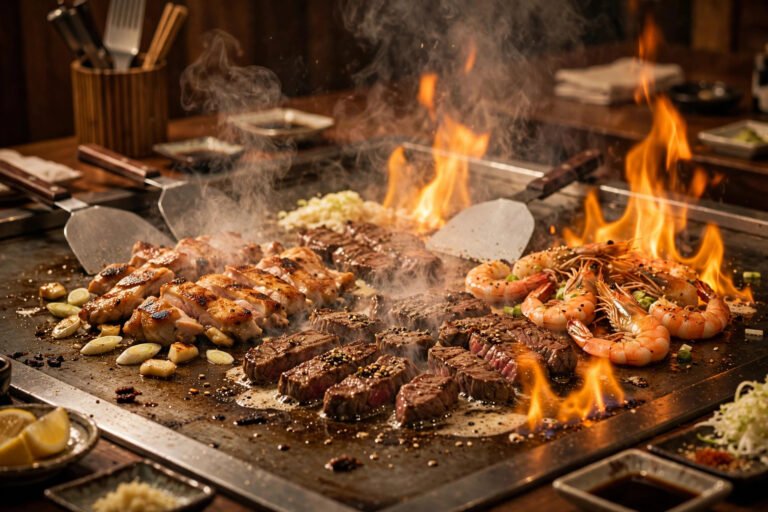
Dinner is when Benihana feels like an event. The lighting feels warmer, the tables fill with birthdays and anniversaries, and the chefs lean into the performance — bigger flames, louder tricks, more crowd interaction. If the show is the main reason you are going, dinner delivers more of it, simply because the audience is there for it.
Neither atmosphere is better in the abstract. Lunch suits a relaxed first visit, especially with children who might not sit happily through a long evening meal. Dinner suits the occasions you want to remember. Choose the room that matches your reason for going.
Wait Times, Reservations and Seating
Lunch is the easier service to walk into. Waits are usually shorter, and many locations can seat a small party without a reservation on weekdays. That said, Benihana seats guests communally around the grill — typically eight to a table — so even at lunch you may wait for a full grill group to form before your chef starts cooking.
Dinner, especially Friday and Saturday evenings, is a different story. Reservations are strongly recommended, and walk-in waits of 45 minutes or more are common at popular locations. If you are celebrating something, book ahead through our reservations guide rather than gambling on a table.
One practical tip applies to both services: arrive a few minutes early. Benihana will often hold your table only briefly, and arriving late can mean waiting for the next grill opening. Check Benihana hours for your location, since lunch service days and times vary.
Happy Hour: The Overlap Sweet Spot
Here is the move many regulars know: the window between lunch and dinner can beat both. Many Benihana locations run a happy hour in the late afternoon with discounted drinks and appetizers — and sometimes sushi specials — in the bar and lounge area. It is not the full teppanyaki dinner, but it is the cheapest way to enjoy Benihana food and drinks in the building.
Happy hour pairs well with a lighter plan: drinks and appetizers at happy hour prices, then a hibachi dinner if you still want the grill. Or skip the grill entirely and make an evening of small plates. Our Benihana happy hour guide covers typical times and what is usually discounted — but again, happy hour is location-specific, so confirm it exists at your restaurant before planning around it.
If your goal is pure value, the ranking usually goes: happy hour first, lunch second, dinner third. If your goal is the full experience, the ranking reverses.
Which Is Better Value? Our Verdict
For most people, lunch is the better value and dinner is the better experience — and that is a perfectly fine trade to make consciously. Choose lunch if you want the classic hibachi meal, you are watching your budget, you are bringing kids, or you are short on time. You will get the grill, the show and the food that made Benihana famous, for meaningfully less money.
Choose dinner if the occasion matters, if you want the full menu including premium proteins and combinations, or if this is your first visit and you want the definitive version. The extra cost buys choice, atmosphere and the full-length performance.
And if you are flexible, consider the third option: happy hour for drinks and appetizers, then decide on the grill once you are there. Whichever you pick, check the nearest Benihana location and its current menu first — because the only price that matters is the one at your table.