Benihana vs Hibachi at Home (2026): Cost, Taste & Experience Compared

Benihana vs Hibachi at Home (2026): Cost, Taste & Experience Compared
Is the teppanyaki show worth the restaurant price, or can your own griddle match it? We break down the real cost, flavor, and experience of hibachi at home vs Benihana in 2026.
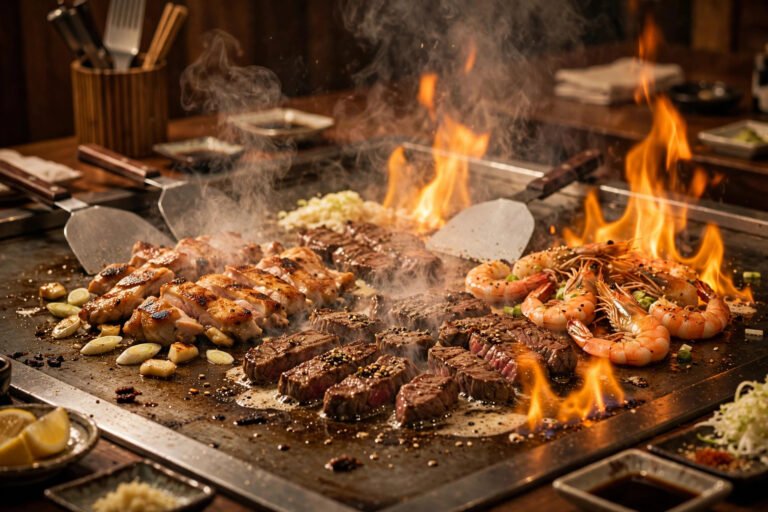
Few restaurant experiences are as fun as Benihana: a chef chopping, flipping, and setting an onion volcano alight right at your table while steak and shrimp sizzle on the flat-top grill. It is dinner and a show in one, and it has been a birthday and celebration favorite for decades. But it is also one of the pricier ways to eat Japanese food, which is why so many people now ask the same question: can I just do hibachi at home vs Benihana and get the same result for less?
The honest answer is that you can get very close on flavor, you can beat Benihana easily on cost over time, and you cannot fully replace the show. Home hibachi is a weeknight win; Benihana is an occasion win. This guide compares the two side by side — real cost breakdowns for a family of four, a taste test of what actually makes hibachi taste like hibachi, and two copycat starter recipes so your first home attempt already tastes right.
One important note before we start: Benihana does not publish national menu prices, so every dollar figure in this article is a typical range based on what guests commonly report, and prices vary by location. Check your local Benihana menu before you go, and treat the home-cooking costs below as grocery-store averages.
The Real Cost: Benihana vs Hibachi at Home
The biggest difference between the two options is not one dinner — it is the tenth dinner. A restaurant meal costs roughly the same every time, while home hibachi gets cheaper with every cook because the equipment is a one-time buy. Here is how a dinner for a family of four typically stacks up.
| Cost item | Benihana (family of 4) | Home, first time | Home, later cooks |
|---|---|---|---|
| Main entrees (chicken, steak, shrimp) | $100–$140 | — | — |
| Groceries (meat, seafood, rice, vegetables, sauces) | — | $45–$70 | $40–$60 |
| Appetizers (edamame, gyoza, etc.) | $16–$30 | $5–$10 | $5–$10 |
| Drinks | $20–$45 | $5–$10 | $5–$10 |
| Tax + tip (restaurant only) | $30–$55 | — | — |
| Equipment (griddle or large cast-iron skillet) | — | $35–$200 | $0 |
| Typical total | $165–$270 | $90–$290 | $50–$80 |
The math is simple: if your family eats hibachi once, Benihana and a first home cook cost about the same. By the third home cook, you are paying roughly a third of the restaurant bill. A basic electric griddle costs around $80–$120, and a large cast-iron skillet — which works surprisingly well — can cost under $50. Families who cook hibachi twice a month typically save well over $1,000 a year compared with eating the same meals at Benihana.
Taste Test: Can Home Hibachi Match the Flavor?
Here is the secret most home cooks discover on their first try: hibachi flavor is not complicated. It comes from four things — very high heat, garlic butter, soy sauce, and the dipping sauces. Get those right and your kitchen version will taste remarkably close to the restaurant.
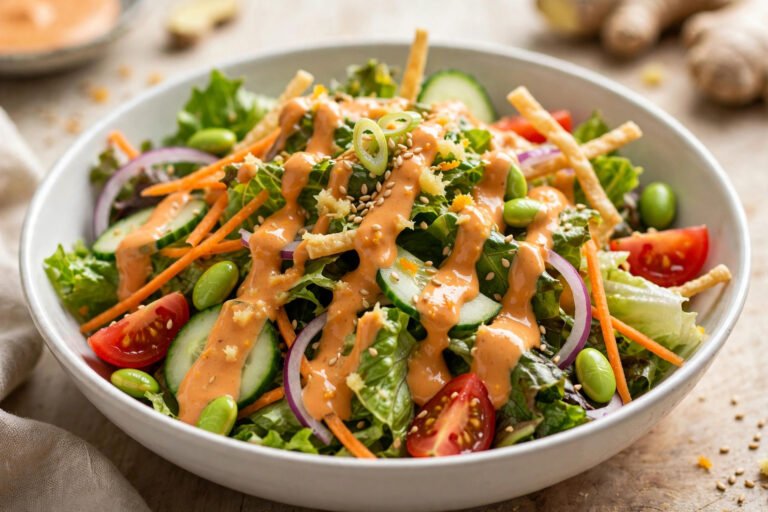
The sauces do most of the work. Benihana’s famous pink yum yum sauce is a mayonnaise-based dip, the ginger sauce is a sharp, gingery soy dip, and the mustard sauce adds a warm, tangy kick. A decent copycat version of all three can be whisked together in ten minutes (see the starter recipes below), and guests will barely notice the difference once the food is hot and sizzling.
Where home cooking can actually beat the restaurant is ingredient quality. At home you can buy a better cut of steak, wild-caught shrimp, or organic chicken for the same total bill — and you control the salt, the oil, and the spice level. The one thing home cooks usually miss is the chef’s garlic butter blend and the sheer heat of a commercial teppan, which sears faster than a home stove. Preheat your griddle or skillet longer than feels necessary, and do not crowd the pan: cook in batches so the meat sears instead of steaming.
- High heat is non-negotiable: the pan should be almost smoking before the first piece of meat goes in.
- Garlic butter: melt butter with minced garlic and a pinch of soy sauce — this is the signature hibachi aroma.
- Day-old rice: for fried rice, cold leftover rice fries up crisp; fresh rice turns mushy.
- Sauce trio: serve yum yum, ginger, and mustard sauces on the side, just like the restaurant.
The Experience Gap: Show vs Comfort
Taste is only half of what you pay for at Benihana. The other half is the show: the onion volcano, the flying shrimp toss, the egg roll across the spatula, the chef’s jokes and knife work. Children remember it for years, and it turns an ordinary birthday into an event. No home kitchen, however good the food, comes with a performer at the table.
But home has its own experience advantages. Nobody rushes you off the table, kids can be as loud as they like, you can cook in pajamas, and the whole evening costs nothing extra if a friend drops by. For a relaxed Friday night, many families actually prefer the home version — especially when the cook enjoys being the chef and the family gathers around the griddle.
Think of it this way: Benihana sells a night out, and home hibachi sells a meal. If the occasion is the point — a birthday, an anniversary, a first date, a visiting relative — the restaurant wins. If the food is the point, home wins on most ordinary nights.
When Hibachi at Home Wins
- Families with kids: four restaurant entrees plus drinks add up fast; the same meal at home costs a fraction, and kids can help cook.
- Frequent hibachi nights: if you crave teppanyaki monthly, the griddle pays for itself within two or three cooks.
- Special diets: gluten-sensitive guests, low-sodium diets, and picky eaters are far easier to handle in your own kitchen. Benihana does offer a gluten-sensitive menu, but at home you control every ingredient.
- Leftovers: restaurant portions rarely travel well; home hibachi makes excellent next-day fried rice and lunchboxes.
- Casual groups: friends can cook together, try new sauces, and linger without a reservation window.
When Benihana Wins
- Celebrations: birthdays, anniversaries, graduations — the show is part of the memory.
- First-timers: if you have never had teppanyaki, see it done by a professional first so you know what to aim for at home.
- No cooking, no cleanup: after a long week, paying someone else to cook and wash up is the whole point.
- Large parties: seating eight around one teppan table is easier at the restaurant than buying a second griddle.
- Date night: the atmosphere, cocktails, and shared show beat a home kitchen for romance.
For the best of both worlds, many fans do a hybrid: Benihana for birthdays and special occasions, home hibachi for regular cravings. You learn what great hibachi tastes like at the restaurant, then recreate the weeknight version at home.
Copycat Starter Kit: 2 Recipes to Begin
These two copycat recipes are the fastest way to make home hibachi taste like the restaurant. They are inspired by Benihana’s style — not official Benihana recipes, which the restaurant has never published.
Copycat Yum Yum Sauce
Whisk together 1 cup mayonnaise, 3 tablespoons ketchup, 1 tablespoon sugar, 1 tablespoon melted butter, 1 teaspoon garlic powder, 1 teaspoon paprika, and 2–3 tablespoons water until smooth. Chill for at least 30 minutes. It keeps in the fridge for about a week and is the single biggest flavor upgrade for home hibachi — drizzle it over shrimp, chicken, and fried rice.
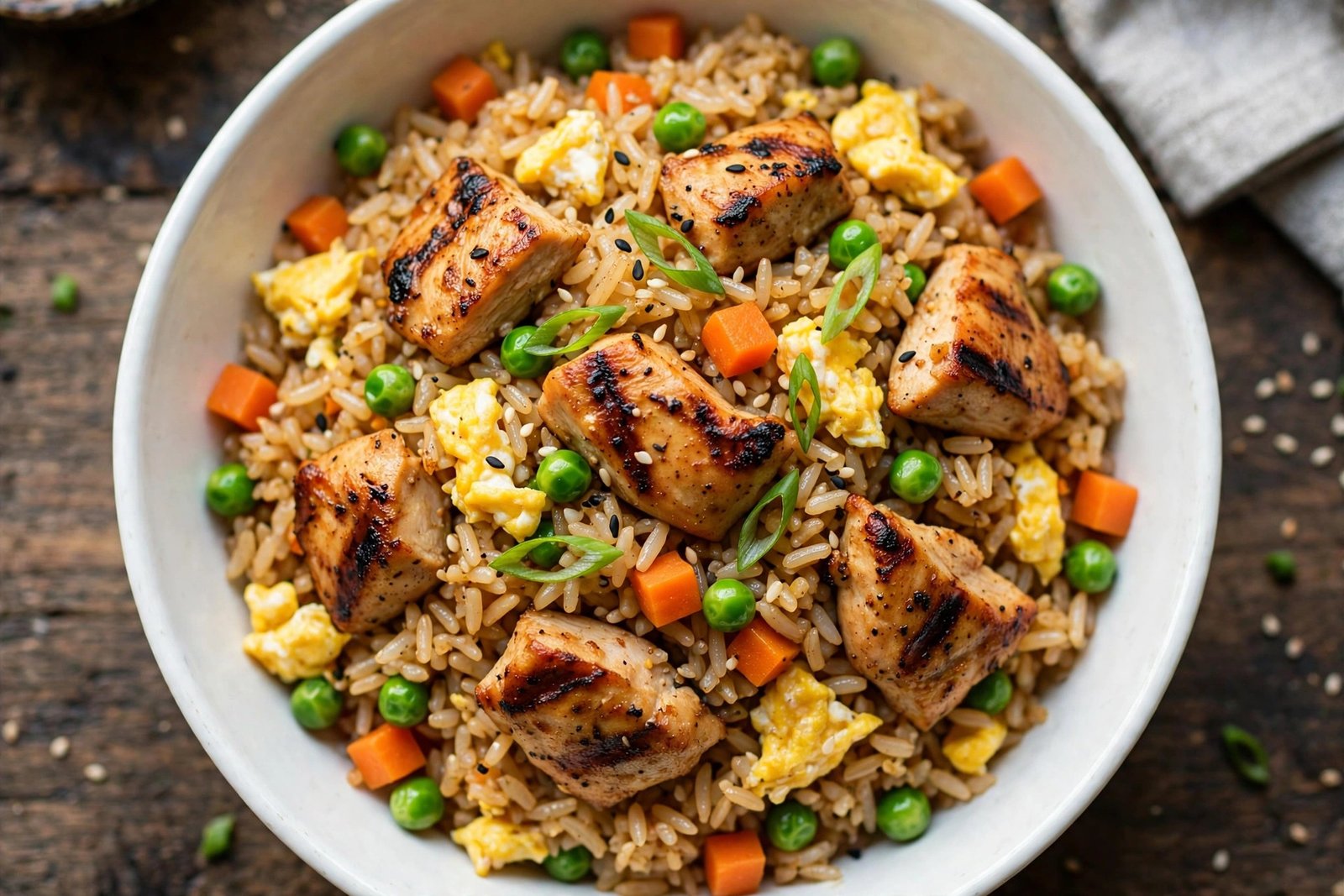
Copycat Hibachi Fried Rice
Heat a large skillet or griddle over high heat with butter. Scramble 2 eggs, remove, then fry 3 cups of cold day-old rice with diced onion, peas, and carrots in garlic butter for 3–4 minutes. Add soy sauce to taste, return the egg, toss in cooked chicken or shrimp, and finish with a drizzle of sesame oil and sliced scallions. Our full copycat hibachi fried rice recipe walks through quantities and timing step by step.
Hibachi at Home vs Benihana: The Verdict
So, hibachi at home vs Benihana — which should you choose? If you only eat hibachi once a year, go to Benihana and enjoy the full show. If you eat it monthly, buy a griddle, learn the two sauces, and cook at home: you will save hundreds of dollars a year and eat just as well. And for the happiest balance, do both — Benihana for the occasions you want to remember, home hibachi for the Fridays you just want great food.
Start with the copycat yum yum sauce and a simple chicken fried rice this weekend. Once you nail those two, you already own the core of the Benihana experience — minus the bill, plus the leftovers. And when the next birthday comes around, find a Benihana near you and enjoy the show all over again.